
We would like to acknowledge the Gadigal Clan as the traditional custodians of the land on which we stand and one of the 29 clans of the Eora Nation which is boarded by the Hawkesbury River to the north, the Nepean River to the west, and the Georges River to the south. We would also like to pay our respects to the Elders past, present and emerging.
Research shows growing pressures faced by this generation of students: young people are experiencing a loss of optimism: they have been impacted by the COVID pandemic; are concerned about climate change, growing economic uncertainty, leaving university burdened by debt and being priced out of the housing market; are forever connected to the online world, face pressure from a relentlessly negative news cycle; with young women still facing gender equity issues and young men searching for healthy masculine role models.
And yet, as Dean Pearson, Head of Behavioural and Industry Economics at National Australia Bank in the 2025 NAB Education Insights research showed, “young people still have a broad sense of self-belief, they remain civic minded. They want to make a difference.” The conclusion from the research was that “our young people need a better vision, an uplifting story of the future, that is bigger than an ‘enshrined materialism.”
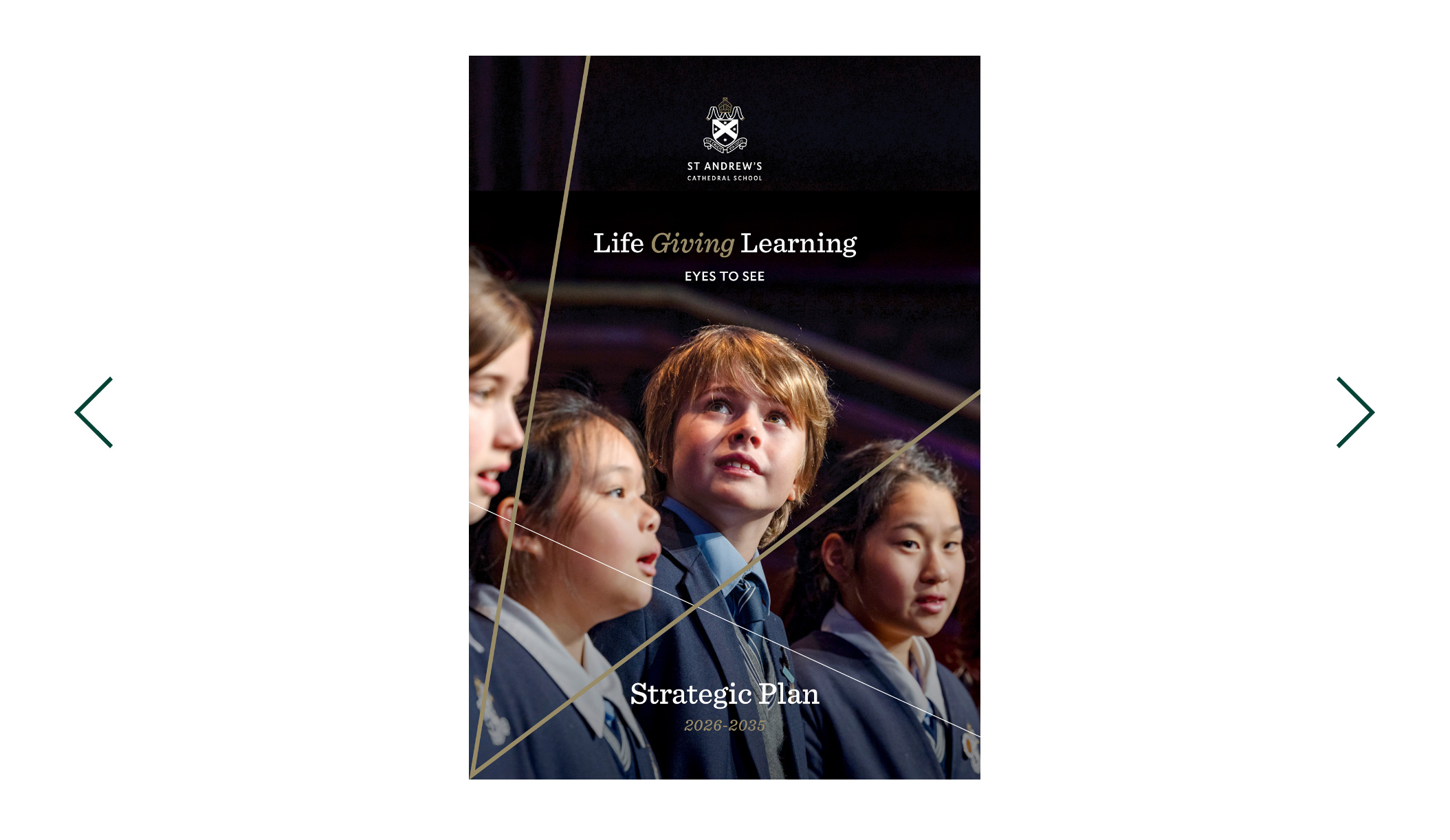
At St Andrew’s Cathedral School we have that Vision for our school community and our students, and our Strategic Plan is the ‘road map.’
Hear from our
Head of School and
Chair of School Council
We have an exciting vision: one where our students know they are infinitely precious and develop their gifts for a purpose. Where they progressively understand the ‘big story’ they inhabit, find their pathway of purpose, use their gifts to lead with hope and individually and collectively take responsibility for a future we want to live in.
Our Enduring Purpose
Founded in 1885 in the heart of the city, St Andrew’s Cathedral School is a vibrant, intercultural and internationally-minded coeducational learning community that seeks to honour and follow Jesus Christ.
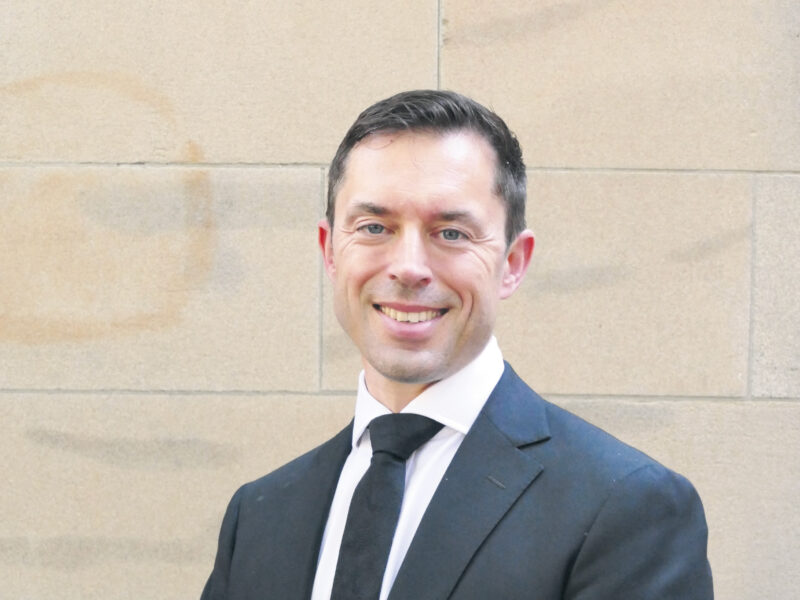
From the
Chair of School Council
“The vision clearly defines our shared imagination for the sort of person we aspire will emerge from our school. In a complex world, St Andrew’s Cathedral School wants to equip students with the voice, leadership and agency to come up with alternative imaginaries to shape a better, and more peaceful future. That’s what responsible futuring is all about.”
Mr Michael Winram
OA 1998 and Chair of School Council
The 2026-2035 Strategic Plan is evidence-based, researched and a result of extensive stakeholder engagement from right across the life of the School.
Parents, teaching and professional and operational staff, students, Executive, our Old Andreans Association, P&F Executive, School Council members, Foundation members and First Nations representatives gathered to hear from experts, review data and work with the Executive and School Council to develop this Plan.
Our Vision
Educating generations to know their infinite worth and develop their gifts for a purpose, leading with hope as co-creators of a responsible future.
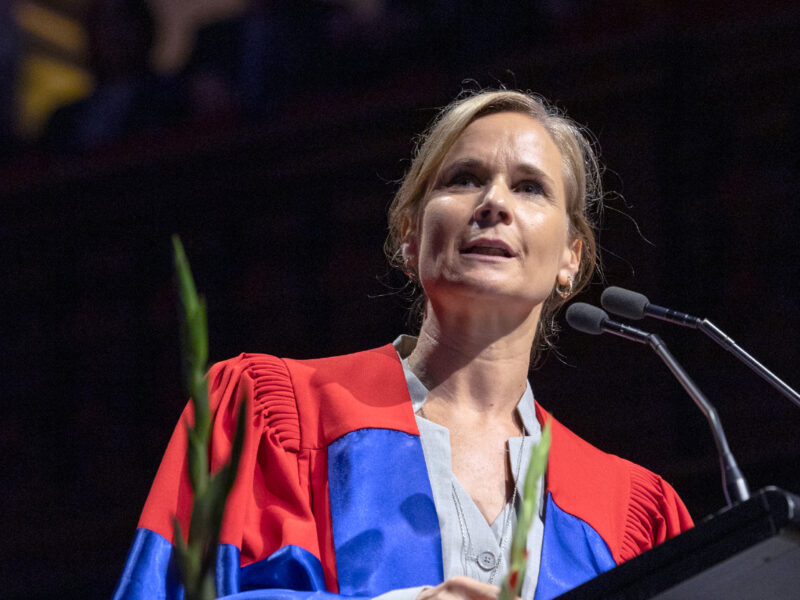
From the
Head of School
“Imagine a world where everyone knew they were significant.
Significant in their unchanging, unearned, infinite worth.
Significant in their unique giftings and the purpose for which they were born.
Imagine a world where each person took individual and collective responsibility for the future we are co-creating?
Imagine a world where generations of young people, secure in their significance and mature in their responsibilities were leading with hope towards a future, we want to live in.”
Dr Julie McGonigle
Head of School
Guided by the Balanced Scorecard methodology our strategy has been developed from four different Strategic Perspectives: Our People, Culture and Resources; Our Practice; Our Financial Stewardship; and Our Students and Community.
The Strategic Themes that emerged from the planning workshops were: Authentic, Relational Christian Care; Thriving Expert Teaching and Learning in Every Space; and Responsible Futuring.
Our Strategic Themes
The School uses the Balanced Scorecard methodology because it facilitates a Strategy Map – a diagram of the School’s strategy on a single page, the detailed Strategic Plan (pages 16-23) and the development of annual Operational Plans and Strategy Reviews, conducted quarterly.
Authentic Relational
Christian Care
Our belief that every person is made in the image of God is the foundation of our community.
We create cultures of deep Christian care and hospitality, fostering respectful, restorative and uplifting relationships. We seek a healthy approach to work and wellbeing.
Thriving Expert Teaching and Learning in Every Space
We believe everyone is gifted for a purpose.
Our staff are recognised, supported and developed as experts in their craft.
With well-designed systems and programmes for both classroom and co-curricular learning, students take initiative and grow in expertise.
Responsible Futuring
We believe in collectively stewarding our world and moral accountability for our actions in it.
Equipped to be peacemakers, we lead with hope, creating unique pathways and co-creating responsible futures.
Strategy Map
CLICK ON THE ELEMENTS TO FIND OUT MORE.

Accountability for results
We have a deep culture of accountability, and a question that is routinely asked at all levels of the School is, ‘but how will we know?’
The Strategic Plan incorporates accountability for outcomes, with clear objectives and annual operational plans that will enable the School to monitor progress and evaluate results. It’s vital to enhance individual and collective responsibility for our Strategic Plan in order to ensure we achieve our Vision, and that’s why we’ve used the Balanced Scorecard methodology. It takes a wholistic approach, integrating strategic planning with a management system that incorporates accountability for outcomes. Clear objectives and annual operational plans will enable us to monitor progress and evaluate results.
Our approach to
Strategic Planning
This is the third time we’ve created a Strategic Plan using the Balanced Scorecard methodology, because it encourages the development of a balanced suite of measures by which to judge progress.
Reflecting the importance we place on hearing different points of view, we very deliberately sought the views of students, parents and staff in our strategic planning approach; whether through regular research or participation in workshops, and this has greatly added to the quality of this Strategic Plan.
Capability: We are blessed with an incredible team of expert staff and leaders, who share a belief in their ability to positively impact student’s lives. Many of our staff dedicated significant hours to the development of our Plan.
Inclusive: We involved stakeholders from right across our community; parents, students, teaching and professional and operational staff, Executive, First Nations members of the community, Old Andreans and School Council. All brought their unique perspectives and deep passion for the School to the workshops
Collaborative Community: Stakeholders worked together, debated, challenged, listened and ultimately created a strategy that is more informed and of better quality, because of their involvement.
Continuous Improvement: We value evidence-based decision making and have a deep culture of accountability for results. The Balanced Scorecard methodology complements this, enabling us to move beyond the many measures of student progress already in place, to a balanced set of strategic, organisational measures of performance.
Accountable for Results: By involving stakeholders in the development of the Strategic Plan, we know we have already improved change management. We plan to publish an annual one page summary which will outline our measures, targets and initiatives, aligning departmental planning and staff appraisal processes, thus enhancing individual and collective responsibility for results.